Hair Loss and Hair Growth: hair serums, care shampoos, supplements and rosemary oil from known brands. Read the composition and ask a doctor if in doubt.
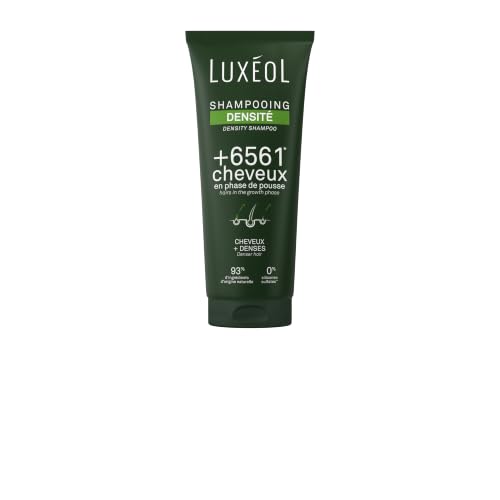
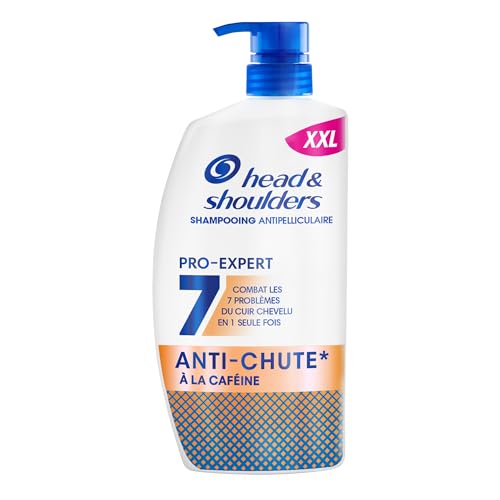
Des shampooings fortifiants pour le lavage de tous les jours.
À appliquer sur le cuir chevelu, avec un léger massage.
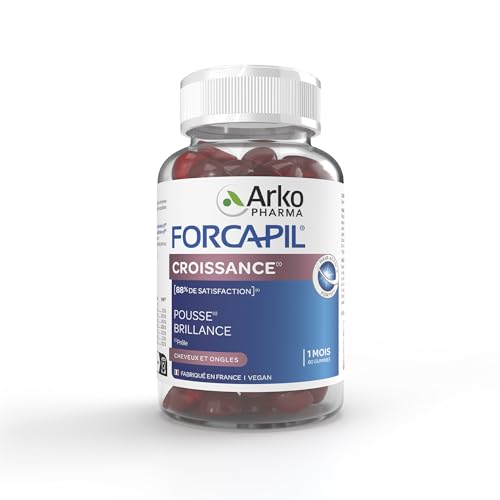
Des compléments à prendre en cure, sur plusieurs mois.
Le plus simple pour commencer : il suffit de changer de flacon.
Il agit là où poussent les cheveux, à condition d’être régulier.
Elles complètent les soins, mais ne remplacent pas l’avis d’un médecin si la chute est brutale.
Our hair loss and hair growth range brings together three product families that go well together. The hair serums are applied to the scalp and left on, with no rinsing. The care shampoos wash gently and leave the skin ready for the serum.
The hair supplements are food supplements, in capsules or chewable gummies. They contain nutrients such as biotin, zinc or selenium, with the exact composition shown on each pack. We also offer rosemary oil, popular as a scalp massage oil a few hours before shampooing.
These products do not replace medical advice. Sudden hair loss, hair loss in patches, or hair loss lasting more than three months is worth discussing with a dermatologist or your doctor. It can have many causes, such as an iron deficiency, a thyroid problem or a medication.
Each family has its own role: the serum is applied to the scalp, the shampoo cleanses it, and the supplement is taken by mouth, following the instructions on the pack. Used together over a full course, they form a coherent routine. We have chosen pharmacy brands and salon brands, such as Vichy, Kérastase, Luxéol or Forcapil.
Losing 50 to 100 hairs a day is normal: each hair lives for several years, falls out, then makes room for a new one. Hair loss often increases in autumn, then returns to normal within a few weeks. It can also follow a pregnancy, an emotional shock or a high fever, with a delay of two to three months. This delay is why people rarely link the hair loss to its real cause.
If you are looking for a scalp product, a serum or a course of ampoules, such as Vichy Dercos Aminexil or Kérastase Genesis, are the products in this range designed for the scalp, according to their brands. If your hair is mainly fine and sparse, look for a product that focuses on density and volume.
In men, hair loss that thins the temples or the crown is often hereditary: this is androgenetic alopecia. Cosmetic products do not make it go away, and only a doctor can suggest a treatment. In women, a parting that gradually widens also deserves medical advice.
If you prefer formulas of natural origin, rosemary oil and Weleda’s tonic lotion are gentle options, according to the brands. Pure rosemary essential oil must always be diluted in a plant oil, and it is not recommended for pregnant women. For washing and for the lengths, our gentle hair care products complete the routine.
Hair grows by about 1 centimetre a month, so a routine is something you follow over several weeks rather than a few days.
That is why courses usually last three months, as set out on the packaging. We do not promise any result: results vary from person to person. To follow your own routine, take a photo of your parting at the start, under the same light, so that you can compare it later.
Follow the frequency shown on the packaging: a double dose does not speed anything up. Massage your scalp for two to three minutes during application, without rubbing hard. Eat a varied diet, with protein, iron and vegetables, as hair is made from what you eat.
During the course, also limit anything that puts strain on your hair: tight ponytails, heat from straighteners, vigorous brushing on wet hair. A fabric hair tie and a wide-tooth comb pull less on the roots.