Hats and caps for every season: bucket hats, straw hats, ponytail caps, berets, beanies and felt. Find the style for your hair, from beach to deep winter.
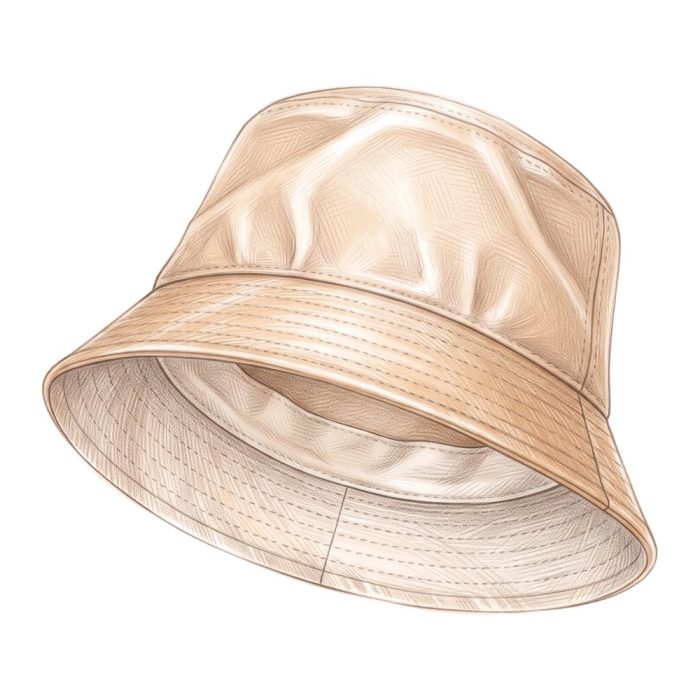
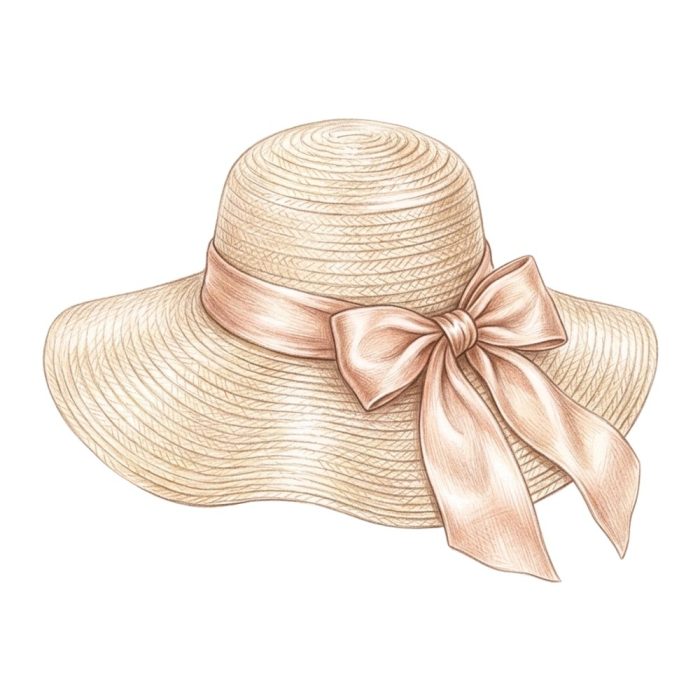
In summer, a hat is first of all there to shade your face and the back of your neck. In our hats and caps range, the straw hat and its wide-brimmed sun hat are the models that give the most cover. The bucket hat folds into a bag and is worn as well in town as at the beach. Crochet or openwork versions let the air through when it is hot.
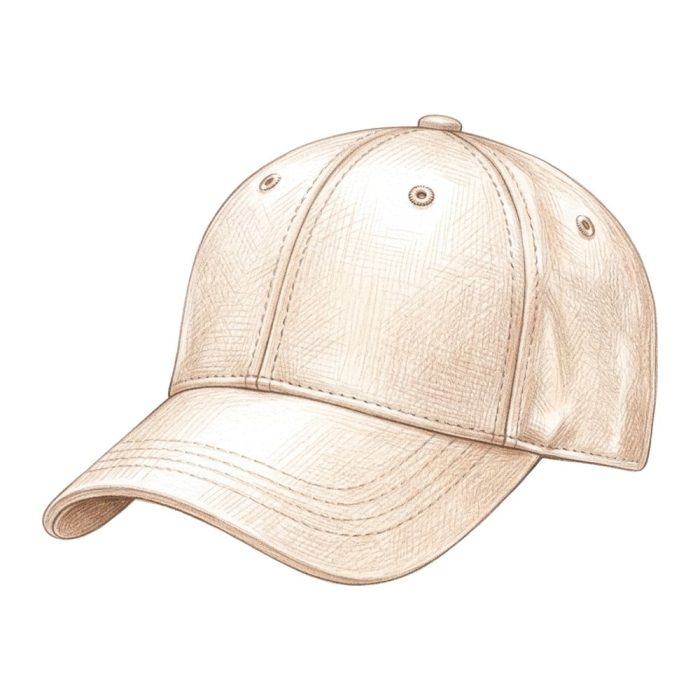
For sport and active days, the cap remains the most practical. Its peak shades your eyes without getting in the way of your movements. Some models have an opening at the back to pass a ponytail through. Flat caps, in tweed or check, take over in mid-season. Perforated models stay light, even after a long walk in the sun.
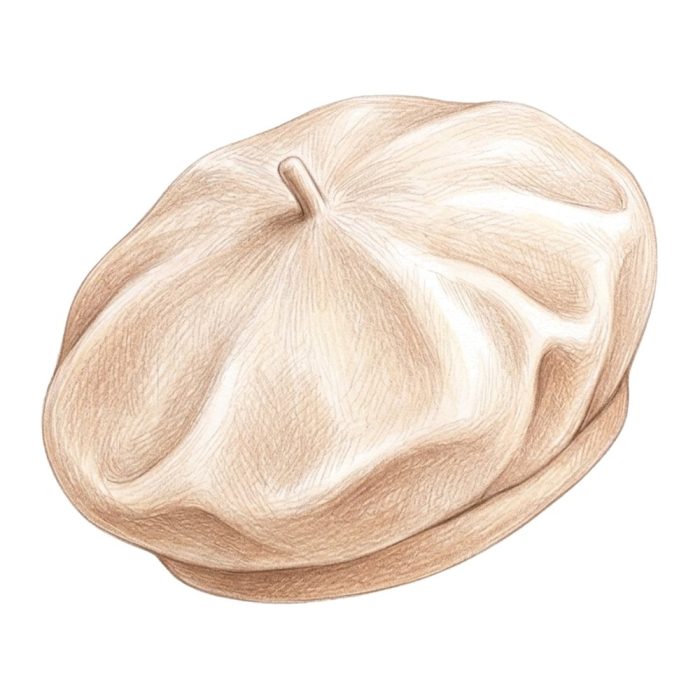
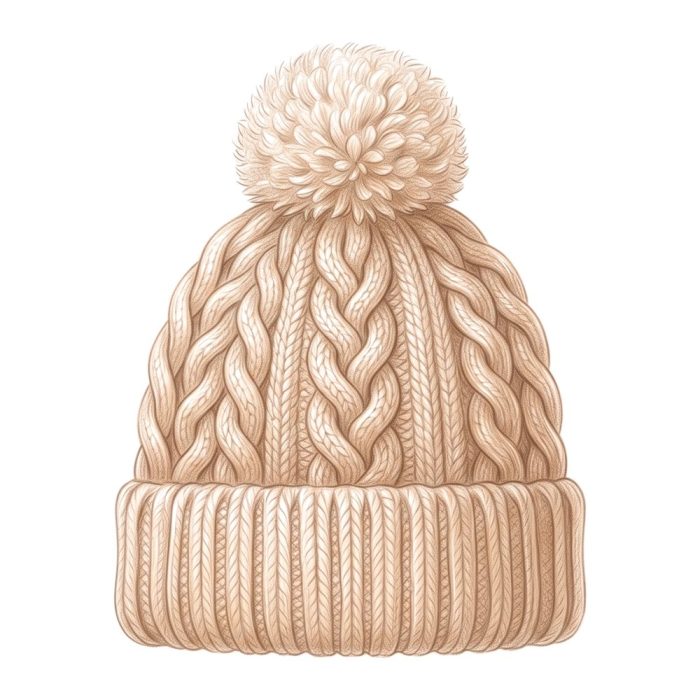
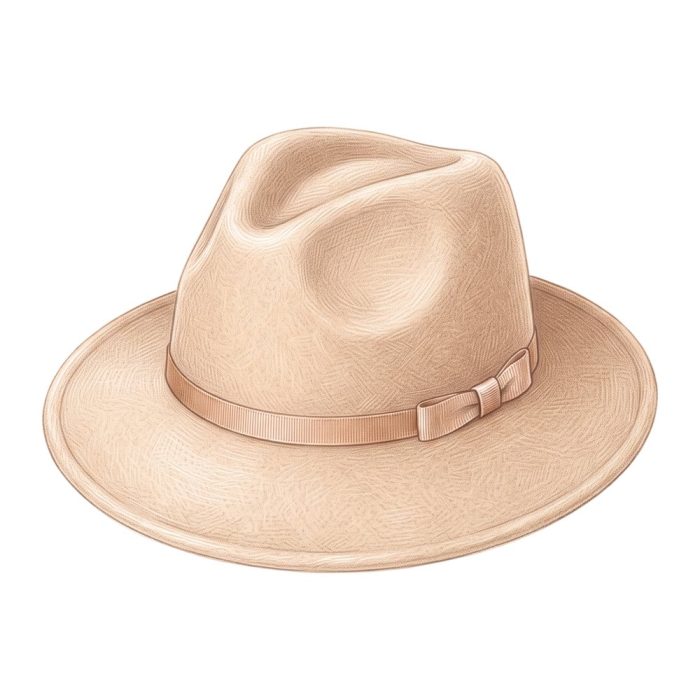
When the cold arrives, the winter beanie covers the head and ears. We offer them in ribbed knit, chunky knit or lined with faux fur. The model with a removable pompom is easier to wash, once the pompom has been taken off. The beret and the felt hat bring a smarter touch. Wool felt keeps its shape and blocks the wind.
For travel, our foldable sun hat is unisex and packs flat in a suitcase. It regains its shape as soon as you unfold it. As a gift, some caps and a docker beanie can be personalised.
To choose well among our hats and caps, everything starts with your head circumference, measured in centimetres. Take a soft tape measure. Place it on your forehead, just above the eyebrows. Run it above the ears, then around the back of the head. The figure you read is your size. Most adult heads measure between 54 and 60 cm.
A hat that is too big blows away at the first gust of wind. A hat that is too tight quickly becomes uncomfortable and rides up on the forehead. If you are between two sizes, take the larger one. A small foam tape, stuck under the inner brim, then fills the gap. The right test: you should be able to slip one finger between your forehead and the inner edge.
Flexible models are more forgiving. A knitted beanie stretches and fits almost every head. A cotton or crochet bucket hat shapes itself to you over time. A cap is often adjusted using a fastening at the back. Felt and rigid straw, on the other hand, hardly give at all: this is where the measurement matters most. A straw hat that is too tight ends up deformed from being forced onto the head.
Also think about the volume of your hair. A bun, thick braids or voluminous curls often add 1 to 2 cm to head circumference. Measure yourself with your hair styled the way you will wear it with your hat.
The ponytail cap is made for this: its open back lets your hair tied up at the top of the head come through. Among our hats and caps, an embroidered bun cap also offers an opening designed for a bun. You keep your hairstyle without flattening the crown of the head.
With a closed-crown hat, such as the bucket hat or the boater, tie your hair lower. A low bun or a side braid slips under the brim without tipping the hat forward. Loose hair goes with every model, especially with the wide-brimmed sun hat and the beret. Worn slightly back over a low bun, the beret clears your face.
Under a beanie, a low braid or loose hair remain the simplest. A roomy beanie leaves space for thick hair and curls. A flat slide holds your fringe under the brim without making a bump. If your hair is curly, choose a beanie with a satin lining: this smooth fabric glides over curls instead of rubbing them.
To complete your outfit, discover all our hair accessories. On sports days, a hair headband under the cap keeps strands away from your face. In the evening, it is the sleep cap that takes over from the hat.